
Imagine waking up to the crisp, cold mountain air, the first rays of the sun painting the snow-capped peaks in golden hues, and the sound of birds and distant streams filling the valley. You take a deep breath, feeling tiny yet alive in the vastness of the Himalayas. This is what the Indrahar Pass Trek promises—a journey that is as thrilling as it is beautiful. If adventure makes your heart race and nature makes your soul calm, this trek is calling your name.
Nestled in the Dhauladhar range of Himachal Pradesh, Indrahar Pass sits at a staggering altitude of 4,342 meters (14,245 feet). It’s not just a trek; it’s a test of endurance, a feast for the eyes, and an experience that will stay with you forever. From the charming hill town of McLeod Ganj to the rocky trails leading to Lahesh Cave and finally to the snow-draped pass itself, every step of this trek offers something magical.
What makes Indrahar Pass special is the perfect mix of adventure and natural beauty. You’ll cross dense forests, steep cliffs, and gushing streams, camp under the stars, and witness panoramic views that photographers and nature lovers dream about. Whether you’re a beginner with some trekking experience or an experienced trekker looking for a new challenge, this trek has something for everyone.
By the end of this journey, it’s not just about reaching the top; it’s about the memories, the friends you make along the trail, the thrill of challenging yourself, and the sense of peace that only the mountains can give. So, lace up your trekking shoes, pack your spirit of adventure, and get ready to explore one of Himachal’s most stunning and rewarding treks.
Best Time to Visit Indrahar Pass Trek
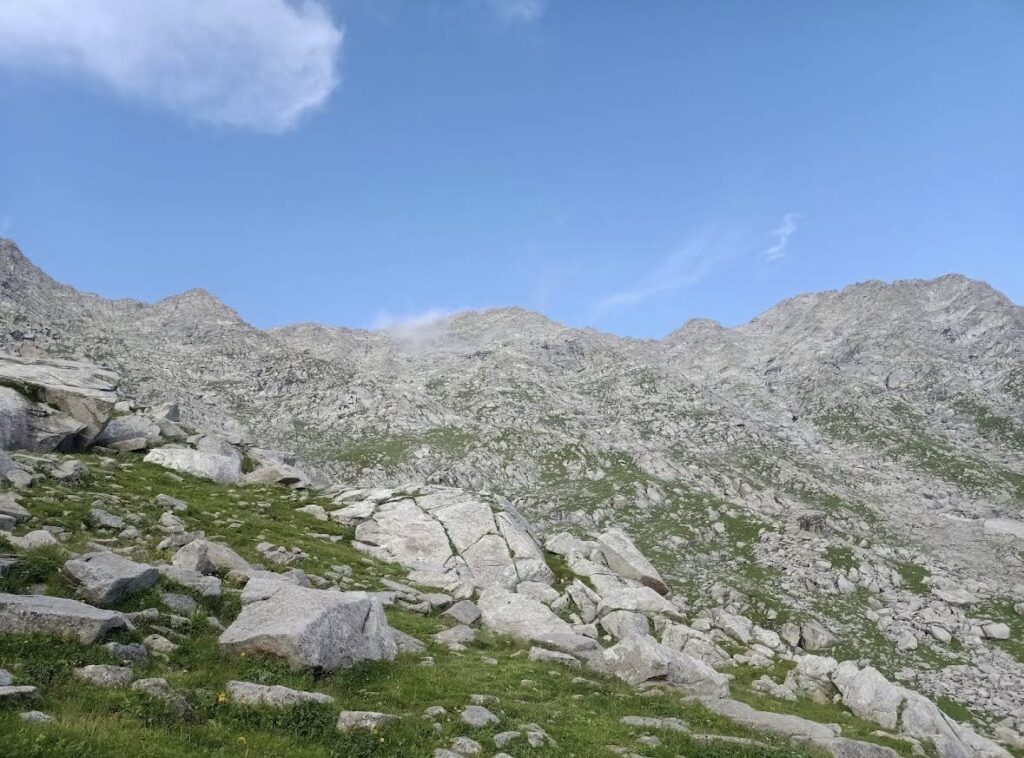
Timing is everything when it comes to trekking in the Himalayas, and the Indrahar Pass Trek is no exception. The weather and trail conditions can completely change your experience, so choosing the right season is key.
1. Spring (March to June)
Spring is one of the most popular times to trek to Indrahar Pass. During these months, the weather starts to warm up, the snow begins to melt, and the trail becomes more accessible. The forests are lush and green, dotted with colorful wildflowers, and the rivers and streams flow with fresh snowmelt.
- Pros: Pleasant temperatures, clear skies, vibrant greenery, fewer clouds covering the peaks.
- Cons: Early March can still have some patches of snow, so trekking shoes with good grip are recommended.
2. Summer (Late June to August)
Summer in the Dhauladhar range brings warmer temperatures, but it’s also the monsoon season in Himachal Pradesh. While the lower parts like McLeod Ganj can be comfortable, higher altitudes of the trek can be slippery and risky due to rain. Landslides and muddy trails are common during this period, so trekking during heavy monsoon is generally not recommended.
3. Autumn (September to November)
Autumn is another excellent time to attempt the Indrahar Pass Trek. After the monsoon, the skies clear up, offering breathtaking views of snow-capped peaks, crisp air, and stable trail conditions. This season is perfect for photography lovers, as the visibility is at its best.
- Pros: Clear skies, dry trails, moderate temperatures, and amazing mountain views.
- Cons: Nights can be chilly, so good sleeping bags and warm clothing are essential.
4. Winter (December to February)
Winter transforms the Indrahar Pass into a snow-covered wonderland. The trails are challenging, the temperatures can drop below freezing, and some parts of the trek may be inaccessible due to heavy snow. Only experienced trekkers with proper gear and snow trekking experience should attempt it in winter.
- Pros: Stunning snow-covered landscapes, very few trekkers (peace and solitude guaranteed).
- Cons: Extremely cold, risky trails, and limited access to accommodations or emergency help.
In short: The best months to trek Indrahar Pass are March to June and September to November. These seasons strike the perfect balance between good weather, clear trails, and stunning views, making your adventure safer and more enjoyable.
Indrahar Pass Trek Overview
The Indrahar Pass Trek is a moderately challenging trek in the Dhauladhar range of Himachal Pradesh. Starting from McLeod Ganj, the trail takes you through dense forests, steep ridges, sparkling streams, and high-altitude meadows before reaching the pass at 4,342 meters.
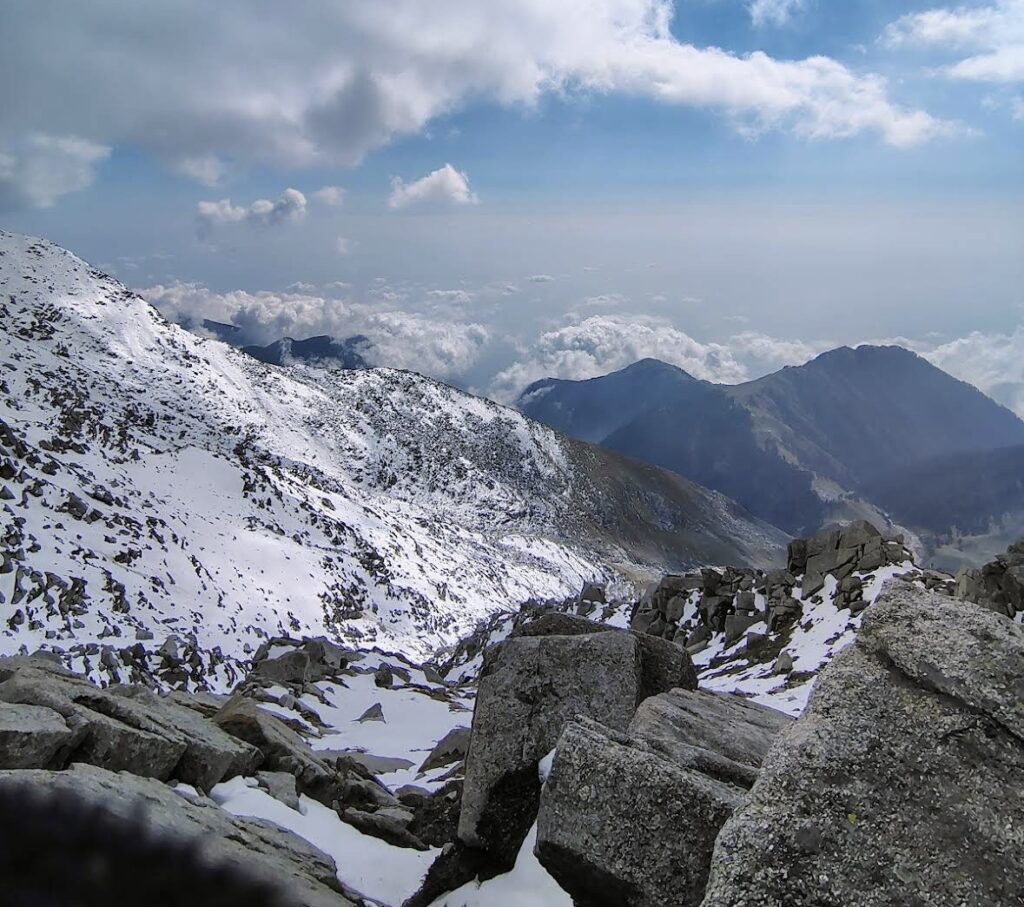
- Starting Point: McLeod Ganj / Dharamkot
- End Point: Indrahar Pass / Lahesh Cave
- Duration: 4–6 days, depending on pace and acclimatization
- Distance: Approximately 23–25 km one-way
- Difficulty Level: Moderate to difficult – steep climbs, rocky trails, some high-altitude sections
This trek is perfect for those who enjoy a mix of adventure, nature, and stunning Himalayan views. Along the way, you’ll encounter panoramic vistas, camp under starry skies, and experience the thrill of conquering a high-altitude pass.
Day-wise Itinerary
Day 1: McLeod Ganj → Triund (9 km / 4–5 hours)
Your trek begins from the charming hill town of McLeod Ganj, just a short drive from Dharamshala. The trail starts gently, winding through pine forests, quaint villages, and terraced fields. The sound of rustling leaves, chirping birds, and distant streams sets the perfect mood for your adventure.
As you approach Triund, the slope becomes steeper, and your first taste of Himalayan grandeur begins to unfold. Triund is a beautiful campsite perched at 2,850 meters, offering breathtaking views of the Dhauladhar range and the Kangra Valley below.
- Highlights: Sunset views from Triund, forest trails, panoramic valley views
- Tips: Start early to avoid afternoon clouds; carry water and snacks; keep your camera ready
Camping at Triund is magical. On a clear night, you can see the stars twinkling above the snow-capped peaks—a perfect Himalayan welcome.
Day 2: Triund → Snowline / Lahesh Cave (8–10 km / 5–6 hours)
From Triund, the trek becomes more challenging as the trail climbs higher. You’ll cross steep ridges, rocky terrain, and open meadows, where wildflowers bloom during spring. The views of the Indrahar Pass looming in the distance will keep you motivated.
Lahesh Cave is a common campsite for trekkers on their way to the pass. Situated at 3,250 meters, it’s a scenic resting spot with natural rock formations providing shelter. If you’re camping here, you get a head start for the next day’s early climb to the pass.
- Highlights: Panoramic mountain views, rocky trails, serene camping spot at Lahesh Cave
- Tips: Keep your backpack light, drink plenty of water, and rest well for the next day
Day 3: Lahesh Cave → Indrahar Pass → Return to Triund (12–14 km / 8–10 hours)
This is the most thrilling part of the trek. The trail gets steep and rocky as you make your way to Indrahar Pass at 4,342 meters. Depending on the season, you may cross snow patches, which adds to the adventure.
Reaching the pass is an incredible achievement. From here, you get 360-degree views of the Dhauladhar range, Kangra Valley, and even glimpses of the Chamba and Himachal regions in the distance. Take your time, click photos, soak in the moment—it’s the highlight of your trek.
After enjoying the views, most trekkers descend back to Triund or Lahesh Cave for overnight rest. The descent is steep, so take it slow and savor the scenery one last time.
- Highlights: Indrahar Pass views, snow-capped peaks, rocky trails, sense of achievement
- Tips: Start early to avoid afternoon snow or clouds; use trekking poles for stability; layer up to stay warm
Optional Day 4: Return to McLeod Ganj (9 km / 3–4 hours)
The final day is mostly a gentle descent back to McLeod Ganj, retracing your steps through forests and villages. Enjoy a warm meal in town, reflect on your journey, and celebrate the adventure you just completed.
- Highlights: Relaxed walk down, forest views, and local cafes in McLeod Ganj
- Tips: Stretch your legs, hydrate well, and enjoy the local Himachali food
Highlights of the Indrahar Pass Trek
The Indrahar Pass Trek isn’t just a hike—it’s a full-on Himalayan adventure, filled with stunning landscapes, adrenaline-pumping climbs, and peaceful moments in nature. Here are the top highlights that make this trek unforgettable:
1. Triund – The Perfect Himalayan Viewpoint
Triund is more than just the first major stop on the trek—it’s a viewpoint straight out of a postcard. Perched at 2,850 meters, it offers panoramic views of the Dhauladhar range and Kangra Valley below. Whether it’s sunrise painting the peaks in golden light or the sunset casting shadows over the valley, Triund is where your trek truly begins to feel magical.
- Why it’s special: Easy accessibility, camping under the stars, stunning valley views
- Tip: Arrive early to catch the sunset; don’t miss the stars at night
2. Forest Trails and Streams
The trail from McLeod Ganj to Triund and beyond winds through dense pine forests, open meadows, and along gushing mountain streams. You’ll hear birds chirping, leaves rustling, and water trickling—all adding to the peaceful Himalayan atmosphere.
- Why it’s special: Feels like stepping into a nature documentary; perfect for photography and relaxation
- Tip: Take breaks near streams; the sound and fresh air are rejuvenating
3. Lahesh Cave – A Trekker’s Rest Stop
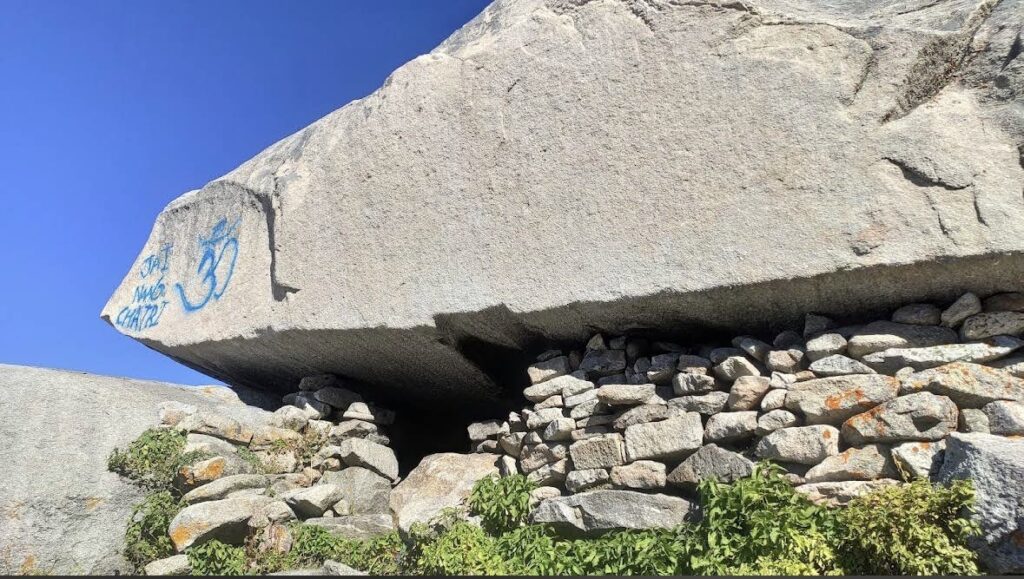
At 3,250 meters, Lahesh Cave is not just a campsite—it’s a natural rock formation that provides shelter and an authentic Himalayan trekking experience. Staying here lets you acclimatize before attempting the pass, and the views of the surrounding peaks are simply breathtaking.
- Why it’s special: Cozy camping spot, ideal for acclimatization, close-up mountain views
- Tip: Carry a warm sleeping bag and light camping gear; the nights can get chilly
4. Steep Rocky Trails and Adventure
The section from Lahesh Cave to Indrahar Pass is where the real adventure begins. The trail gets steep, rocky, and occasionally snowy, giving you a true sense of Himalayan trekking. It’s challenging, but every step is rewarded with spectacular views.
- Why it’s special: Adventure and thrill for moderate to experienced trekkers, feeling of accomplishment
- Tip: Use trekking poles, wear good grip shoes, and take your time—safety first!
5. Indrahar Pass – The Ultimate Reward
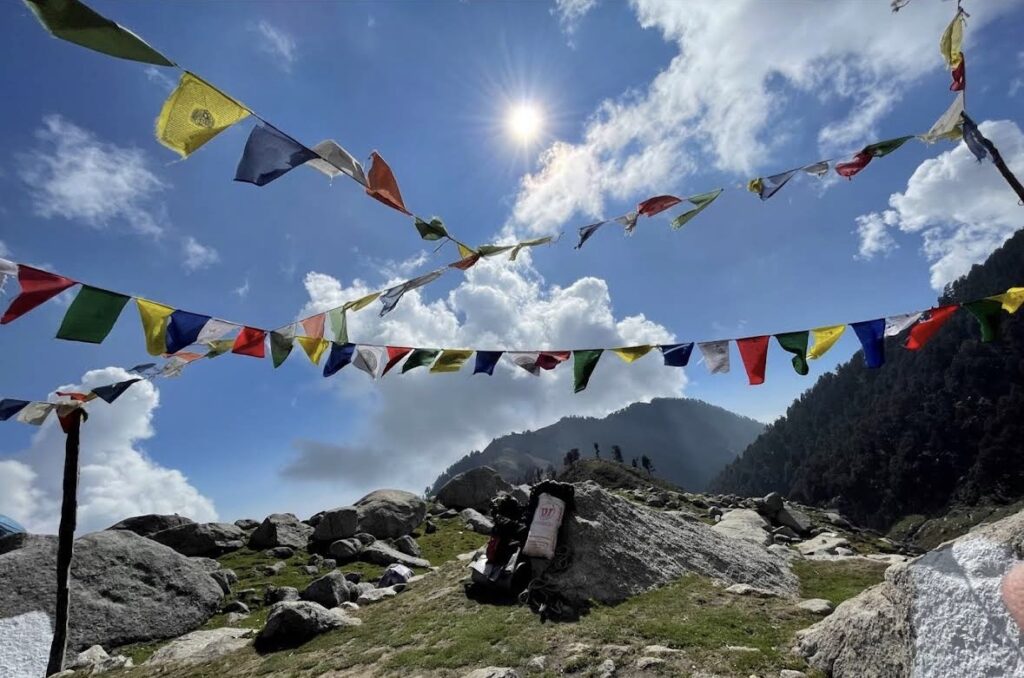
At 4,342 meters, Indrahar Pass is the highlight of the trek. The panoramic views are jaw-dropping: snow-capped peaks in every direction, valleys below, and the vast Himalayan landscape stretching as far as the eye can see. This is the moment every trekker dreams about—the sense of achievement and the connection with nature is unmatched.
- Why it’s special: 360-degree Himalayan vistas, conquering a high-altitude pass, ultimate trekking experience
- Tip: Spend at least 30–45 minutes at the pass to soak in the views and take photos
6. Wildlife and Flora
While trekking, you might spot Himalayan birds, small mammals, and wildflowers along the trail. In spring, the meadows bloom with colorful flowers, and the forests are alive with natural sounds. It’s a quiet reminder of the untouched beauty of this region.
- Why it’s special: Nature enthusiasts and photographers will love this; adds serenity to the trek
- Tip: Carry a camera or binoculars; tread lightly to preserve the environment
7. Starry Nights and Campsites
Camping on Triund or Lahesh Cave lets you experience the magical Himalayan nights. Far from city lights, the sky comes alive with stars, and the cold mountain air makes you appreciate the warmth of a campfire or a good sleeping bag.
- Why it’s special: Peaceful, unique camping experience, ideal for bonding with fellow trekkers
- Tip: Bring a headlamp, warm clothes, and enjoy the quiet moments in nature
The Indrahar Pass Trek is an experience that balances adventure, nature, and serenity perfectly. Every step—from forest trails to rocky climbs to snow-capped summits—is a memory waiting to be made.
Things to Carry for Indrahar Pass Trek
Packing the right gear can make or break your trekking experience. The Indrahar Pass Trek involves steep climbs, rocky trails, and cold nights, so it’s essential to be well-prepared. Here’s a checklist of what you should carry:
1. Clothing
- Layered Clothing: Weather in the mountains can change rapidly. Pack thermal innerwear, t-shirts, fleece jackets, and a waterproof jacket.
- Trekking Pants: Comfortable, lightweight, and quick-drying pants are ideal. Avoid jeans—they get heavy when wet.
- Warm Accessories: Gloves, woolen cap, and scarf to protect from cold winds at higher altitudes.
- Extra Socks and Undergarments: Moisture-wicking socks prevent blisters, and having spares keeps you comfortable.
2. Footwear
- Trekking Shoes: Sturdy, waterproof, and with good grip. You’ll need these for rocky and sometimes snowy trails.
- Optional Sandals: For relaxing at campsites or in the evenings.
3. Backpack Essentials
- Backpack (30–40L): Lightweight, with proper straps and rain cover.
- Water Bottles / Hydration Pack: At least 2 liters of water per day; trekking poles are also useful for balance on steep trails.
- Snacks: Energy bars, nuts, chocolates, and dry fruits for quick energy boosts.
- Sunscreen & Lip Balm: The sun at high altitudes is strong, and lips can get chapped.
- Sunglasses: Protect your eyes from UV rays and glare from snow.
4. Camping Gear (if staying overnight)
- Sleeping Bag: Rated for cold temperatures (at least -5°C) for higher altitude camps.
- Tent: If not hiring a trekking agency, a lightweight, waterproof tent is essential.
- Mat: Insulated mat for sleeping on rocky surfaces.
5. Safety & Miscellaneous
- First Aid Kit: Band-aids, antiseptic cream, painkillers, altitude sickness tablets, and personal medications.
- Headlamp / Torch: For night-time visibility and emergency use.
- Power Bank: Limited charging options on the trail, so keep your devices powered.
- Map / Trekking Guide: Even if you have a guide, it’s useful to have a backup navigation tool.
Trekking Tips for Indrahar Pass
To make your trek safe, enjoyable, and memorable, here are some practical tips:
- Acclimatize Properly: Spend at least a night at Triund before attempting higher altitudes to avoid altitude sickness.
- Start Early: Begin your trekking day early to avoid afternoon clouds, snowfall, or weather changes.
- Pace Yourself: Don’t rush, especially on steep sections. Take short breaks, hydrate, and enjoy the views.
- Hire Local Guides if Needed: Experienced guides know the trail, weather, and safe camping spots.
- Respect Nature: Avoid littering, follow marked trails, and minimize environmental impact.
- Check Weather Forecasts: Himalayan weather can change rapidly; be prepared for cold, rain, or snow.
- Pack Light: Carry only essentials. Extra weight can make steep climbs exhausting.
- Stay Hydrated and Eat Well: High-altitude trekking consumes more energy; snacks and water are your best friends.
How to Reach & Stay for Indrahar Pass Trek
Planning how to get to the starting point and where to stay is just as important as packing right. Here’s a complete guide for reaching McLeod Ganj / Dharamkot, the base for the Indrahar Pass Trek, and choosing the best accommodation.
How to Reach McLeod Ganj / Dharamkot
1. By Air
The nearest airport is Kangra Airport (Gaggal Airport), about 20 km from Dharamshala.
- Tips: After landing, you can hire a taxi or take a bus to McLeod Ganj. Flights are limited, so book in advance during trekking season.
2. By Train
The nearest railway station is Pathankot, approximately 90 km away.
- Tips: From Pathankot, you can hire a taxi or take a bus to McLeod Ganj. Trains are frequent and a budget-friendly option.
3. By Road
McLeod Ganj is well-connected by road to major cities like Delhi, Chandigarh, and Shimla.
- Bus Options: HRTC buses run regularly from Dharamshala and nearby towns.
- Self-Drive or Taxi: If you prefer flexibility, private cabs or self-drive options are convenient and allow you to stop en route for photos or local food.
Where to Stay
1. In McLeod Ganj or Dharamkot (Base Stay)
Before starting the trek, most trekkers stay in McLeod Ganj or Dharamkot. These towns have:
- Budget guesthouses and hostels (₹500–₹1,500 per night)
- Mid-range hotels (₹1,500–₹3,500 per night)
- Cafes and restaurants for hearty meals before and after the trek
Tips: Book in advance during peak trekking seasons (March–June, September–November).
2. On the Trek (Campsites)
- Triund: Popular for first-night camping. Beautiful sunset views and easy access to trekking trails.
- Lahesh Cave: Ideal for acclimatization before attempting the pass. Offers shelter and amazing mountain views.
- Camping Tips: If you’re trekking independently, carry a tent and sleeping bag. Many trekking agencies provide tents, sleeping bags, and meals.
3. Alternative Stay Options
Some trekkers prefer home-stays or small lodges in nearby villages for a more local experience. Staying with locals is not only affordable but also gives you insight into Himachali culture.
Pro Tip: Start early each day from your base or campsite. Himalayan weather changes quickly, and early starts give you more daylight to complete your trek safely.
Now if you’ve enjoyed reading this article you might like: